Honest and professional
manufacturer
Mainly engaged in stainless steel products, alloy products, etc.
More products
Zhonglu Steel Co., LTD
A STRONG STEEL SUPPLIER
Actual delivery
The lowest price
Quality service
After-sales service
Contact Us >>FAST DELIVERY SPEED
QUALITY PARTNER ————
ABOUT THE COMPANY
Old Professional Steel Manufacturers
Zhonglu Steel Co., Ltd. is a manufacturer, developer and seller specializing in stainless steel and alloy products. The main products it produces and sells include 304, 316, 201 and other types of stainless steel, as well as titanium alloys, aluminum alloys and copper products. Through years of unremitting efforts, Zhonglu Steel has gained the trust and support of a wide range of customers by virtue of its excellent product quality, exquisite manufacturing techniques, standardized management and comprehensive services.
10000
The factory covers an area of 45,000 ㎡.
12
More than 140 countries have good trade relations
10000
High production, ensure delivery time
104
400+ employees to protect customer rights
Can't find the brand? Consult customer service ————
HOT SELLING PRODUCT
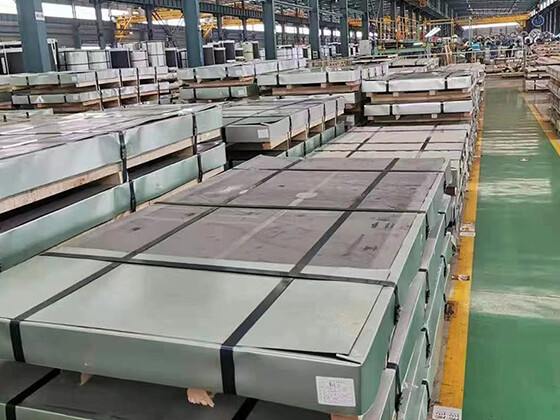
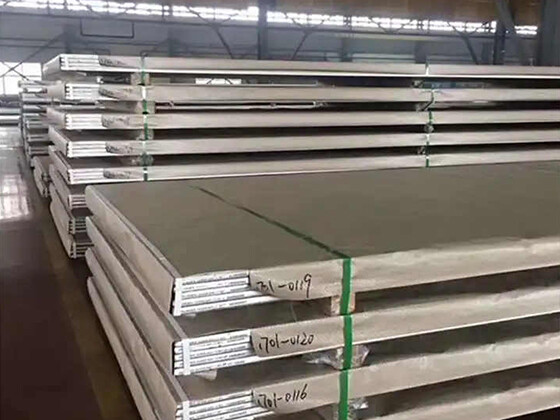
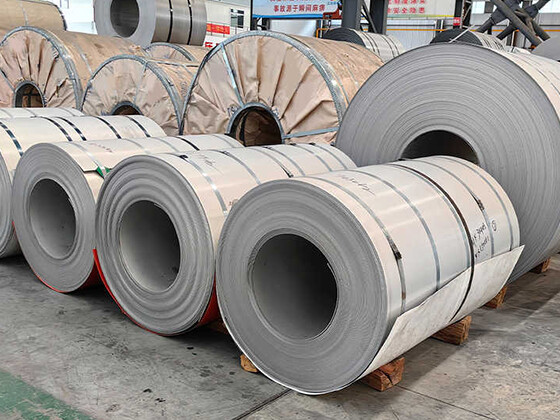
 EN DC01/DC04 Cold Rolled Steel PlateThe deep drawing performance of DC01, DC02, DC03 and DC04 is different. DC is DIN 1623-1 flat steel products of low carbon steel cold rolled strip and thin steel plate meaning; DC is DIN 1623-1 . 01, 02, 03, 04 indicate different deep drawing performance levels, and the larger the number, the better the performance.Cold-rolled steel is steel produced by cold rolling, and compared with hot-pressed steel, the thickness will be more accurate, and the surface is more smooth and more beautiful.
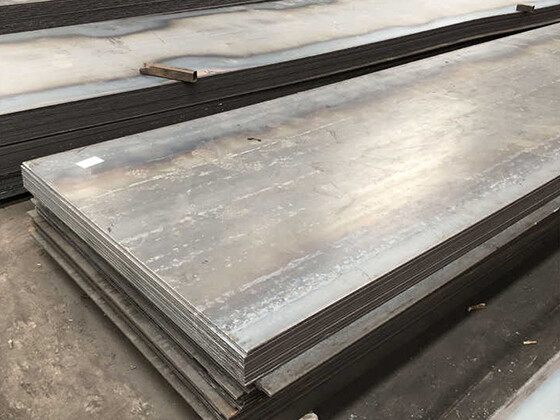
- S235JR Low carbon hot rolled steelThe S235 series includes the S235JR, S235J0 and S235J2. These grades of steel belong to the European standard of ordinary carbon structural steel, the implementation of the standard is the European standard EN10025.
S235JR is a European standard non-alloy structural steel, that is, carbon structural steel with low carbon content, which is used for welding, bolted and riveted structures. Mainly used in buildings, Bridges, ships, vehicle structural parts, manufacturing a variety of tools, cutting tools, molds and measuring tools. - S275JR/S355JR EN High quality carbon steel plateS275 carbon steel is a kind of carbon structural steel, with high strength, good plasticity and machining performance, certain welding performance, small parts can be hardened and strengthened, more used in the manufacture of high strength parts, such as gears, shafts, sprockets, keys, bolts, nuts, agricultural machinery steel, conveyor chain and chain link.
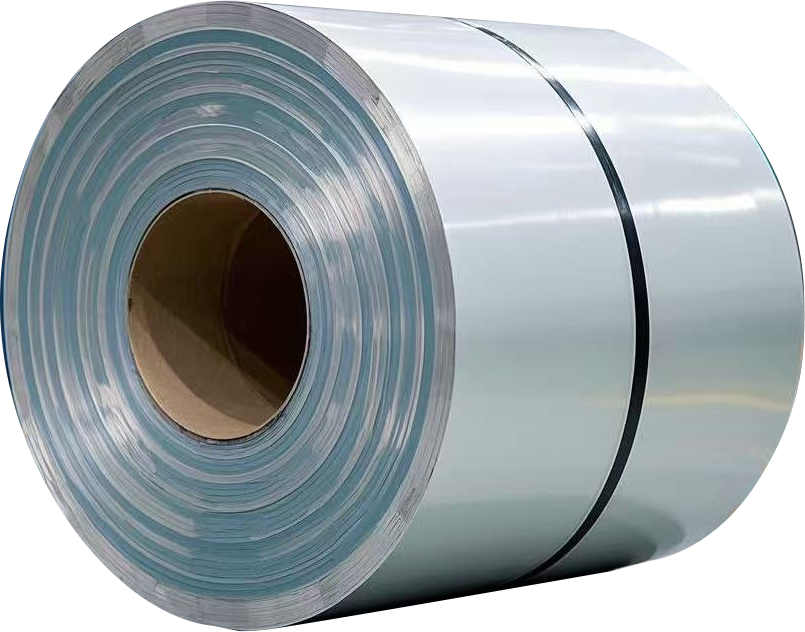
- Q195(Gr.B)/Q235 cold rolled sheet steelCold-rolled sheet is a product obtained from hot-rolled sheet by cold pressure processing. The surface quality of the cold rolled sheet is superior to that of the hot rolled sheet, and good mechanical properties can be obtained after heat treatment. According to the different needs of production enterprises, cold rolled plate is usually divided into: general cold rolled plate, stamping grade cold rolled plate, deep drawing, extra deep) medium and super deep intermediate cold rolled plate, generally delivered by coil and plate.
- 08F(1008)/10F(1010) Low carbon cold rolled sheetCold rolled steel is the steel produced by cold rolling, under certain conditions, the steel plate can be further pressed into the required thickness, it and hot pressed steel plate compared, the thickness will be more accurate, and the surface is more smooth and more beautiful. At the same time, it also maintains stable performance, such as processing skills are very good, but they are not suitable for processing, so they need to be handed over to customers by annealing.
- DIN ST12/ST14/ST37 cold rolled carbon sheet steelCold rolled steel is the steel produced by cold rolling, under certain conditions, the steel plate can be further pressed into the required thickness, it and hot pressed steel plate compared, the thickness will be more accurate, and the surface is more smooth and more beautiful. At the same time, it also maintains stable performance, such as processing skills are very good, but they are not suitable for processing, so they need to be handed over to customers by annealing.
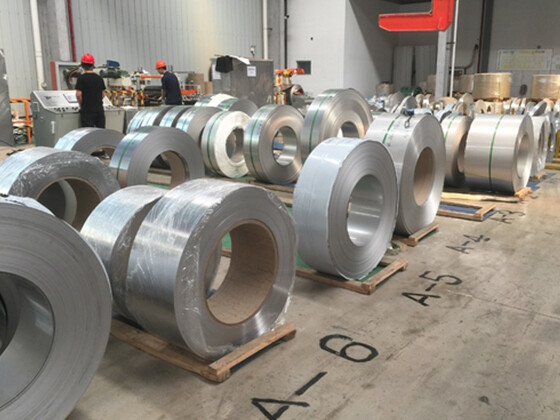
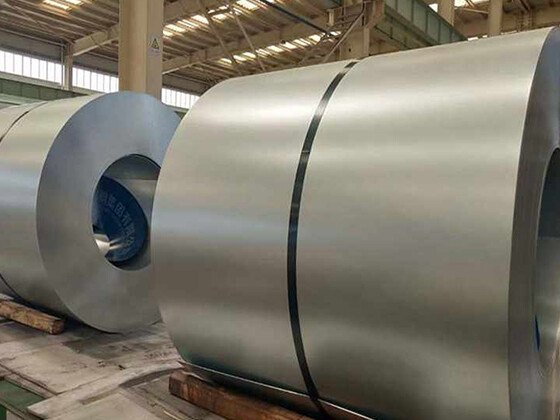
- EN DC01/DC04 Cold continuous rolling of mild steel coilThe deep drawing performance of DC01, DC02, DC03 and DC04 is different. DC is DIN 1623-1 flat steel products of low carbon steel cold rolled strip and thin steel plate meaning; DC is DIN 1623-1 . 01, 02, 03, 04 indicate different deep drawing performance levels, and the larger the number, the better the performance.Cold-rolled steel is steel produced by cold rolling, and compared with hot-pressed steel, the thickness will be more accurate, and the surface is more smooth and more beautiful.
- SPCC/SPCD Carbon thin steel coilCold-rolled sheet is a product obtained from hot-rolled sheet by cold pressure processing. The surface quality of the cold rolled sheet is superior to that of the hot rolled sheet, and good mechanical properties can be obtained after heat treatment. According to the different needs of production enterprises, cold rolled plate is usually divided into: general cold rolled plate, stamping grade cold rolled plate, deep drawing, extra deep) medium and super deep intermediate cold rolled plate, generally delivered by coil and plate.
- 08F(1008)/10F(1010) Low carbon cold rolled thin steel coilCold rolled steel is the steel produced by cold rolling, under certain conditions, the steel plate can be further pressed into the required thickness, it and hot pressed steel plate compared, the thickness will be more accurate, and the surface is more smooth and more beautiful. At the same time, it also maintains stable performance, such as processing skills are very good, but they are not suitable for processing, so they need to be handed over to customers by annealing.
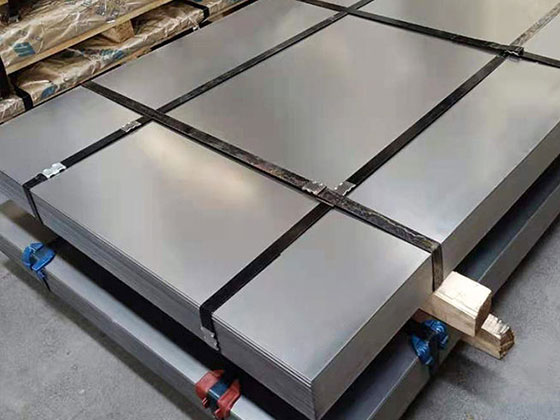
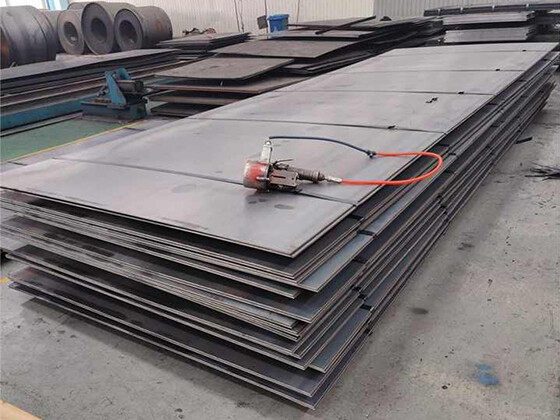
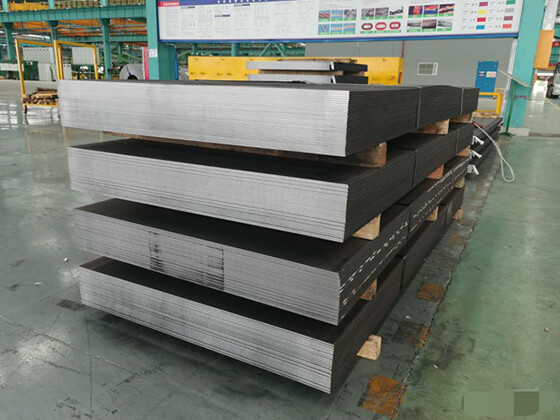
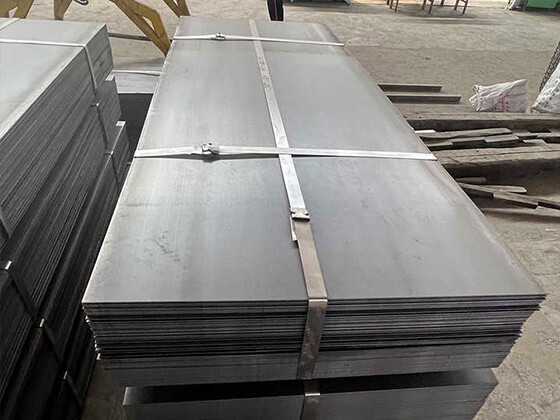
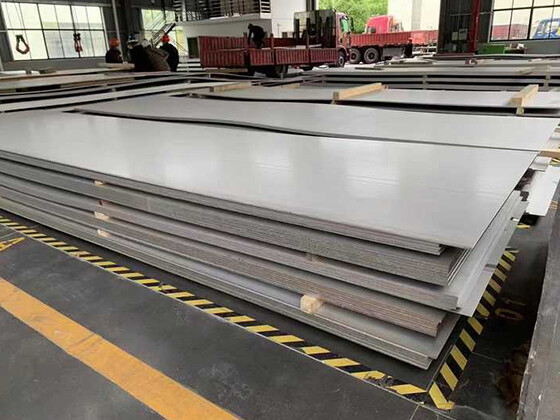
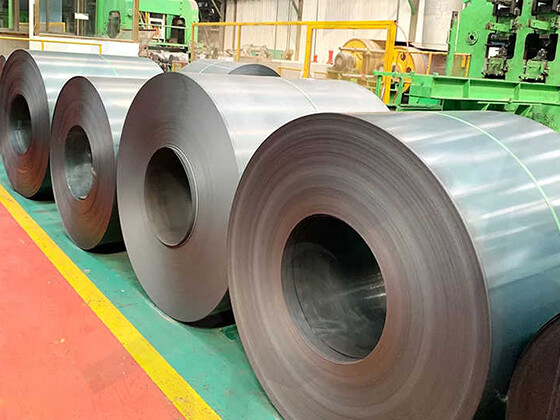
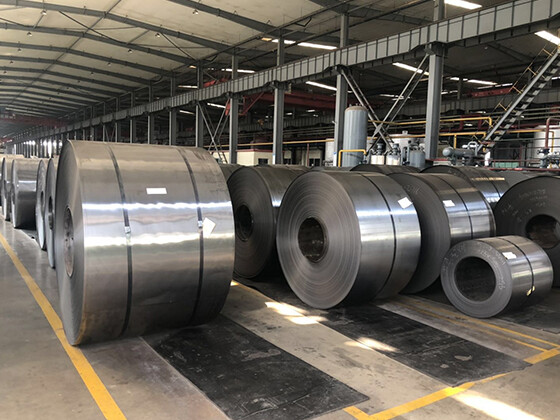
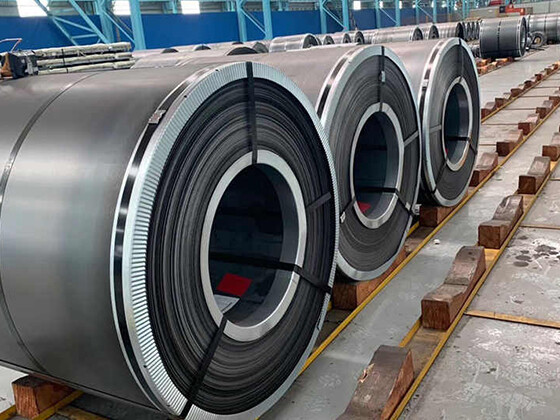
- Cold-rolled stainless steel mirror plateProduct type: 304/304L/304H, 316/316L/316Ti, 317/317L,321/347/347H, etc
Stainless steel with its good corrosion resistance and good appearance, is widely used in heavy industry, light industry, daily necessities industry and building decoration and other industries have been widely used. - Stainless steel thin cold plateProduct classification:410/410S/410L,420,430,409/409L,439,443,441,etc.
The price of this series of stainless steel is relatively low, and it is generally used for civilian products. Generally in the hot chloride environment should be selected. In kitchen products, household appliances, decoration, automotive exhaust systems, petrochemical and other civil and industrial fields can partially replace 300 series austenitic stainless steel. - Low price hot rolled stainless steel plateProduct classification:309/309S,310/310S,etc.
The price of this series of stainless steel is relatively low, and it is generally used for civilian products. Generally in the hot chloride environment should be selected. In kitchen products, household appliances, decoration, automotive exhaust systems, petrochemical and other civil and industrial fields can partially replace 300 series austenitic stainless steel. - Stainless steel coil Hot rolling/ cold rollingProduct type: 304/304L/304H, 316/316L/316Ti, 317/317L,321/347/347H, etc
Stainless steel with its good corrosion resistance and good appearance, is widely used in heavy industry, light industry, daily necessities industry and building decoration and other industries have been widely used. - High quality duplex stainless steel coilProduct type: S32205(022Cr23Ni5Mo3N),2205,S2304,2520,201/201,2507,S32750(022Cr25Ni7Mo4N),S32760(022Cr25Ni7Mo4WCuN) etc
Cold-rolled duplex stainless steel has high strength, good resistance to stress corrosion, pitting corrosion, good welding performance, and has a wide range of applications in petrochemical, shipbuilding, papermaking, seawater desalination, nuclear power and other fields. - Quality hot rolled stainless steel coilProduct classification:410/410S/410L,420,430,409/409L,439,443,441,etc.
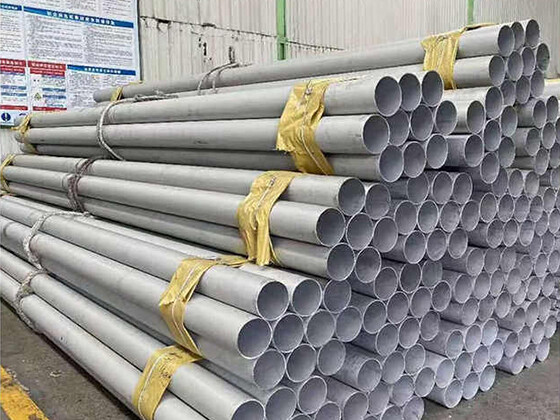
The price of this series of stainless steel is relatively low, and it is generally used for civilian products. Generally in the hot chloride environment should be selected. In kitchen products, household appliances, decoration, automotive exhaust systems, petrochemical and other civil and industrial fields can partially replace 300 series austenitic stainless steel. - Quality duplex stainless steel welded pipeProduct type: S32205(022Cr23Ni5Mo3N),2205,S2304,2520,201/201,2507,S32750(022Cr25Ni7Mo4N),S32760(022Cr25Ni7Mo4WCuN) etc
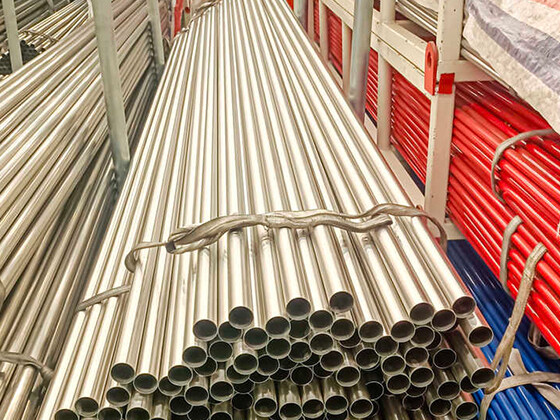
Cold-rolled duplex stainless steel has high strength, good resistance to stress corrosion, pitting corrosion, good welding performance, and has a wide range of applications in petrochemical, shipbuilding, papermaking, seawater desalination, nuclear power and other fields. - Cold-rolled seamless stainless steel pipeProduct type: 304/304L/304H, 316/316L/316Ti, 317/317L,321/347/347H, etc
Stainless steel with its good corrosion resistance and good appearance, is widely used in heavy industry, light industry, daily necessities industry and building decoration and other industries have been widely used. - Hot rolled seamless stainless steel pipeProduct classification:410/410S/410L,420,430,409/409L,439,443,441,etc.
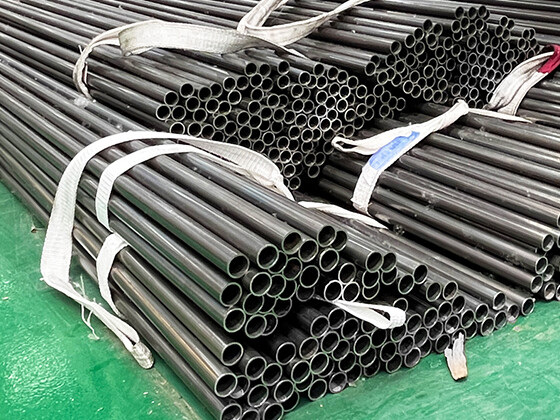
The price of this series of stainless steel is relatively low, and it is generally used for civilian products. Generally in the hot chloride environment should be selected. In kitchen products, household appliances, decoration, automotive exhaust systems, petrochemical and other civil and industrial fields can partially replace 300 series austenitic stainless steel.
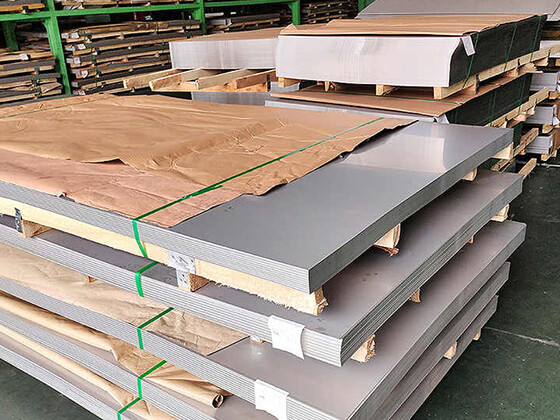
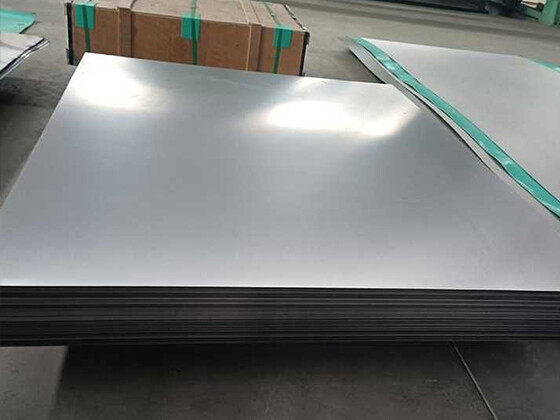
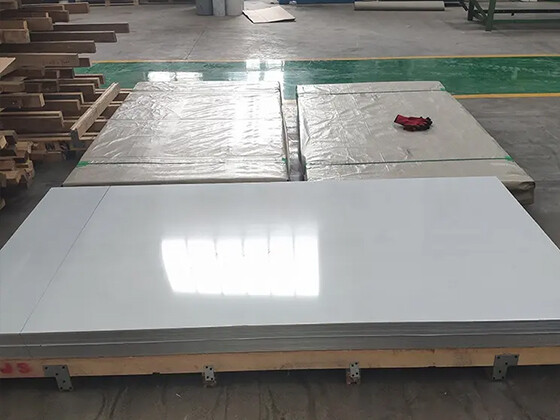
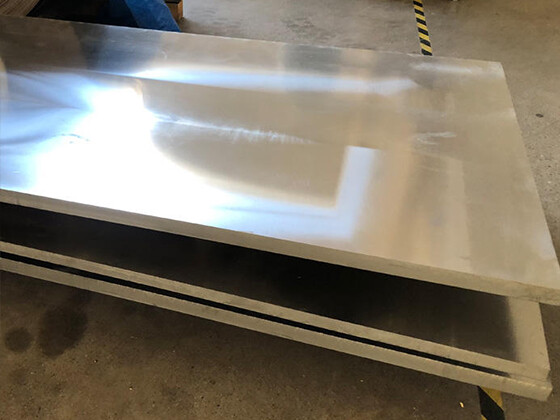
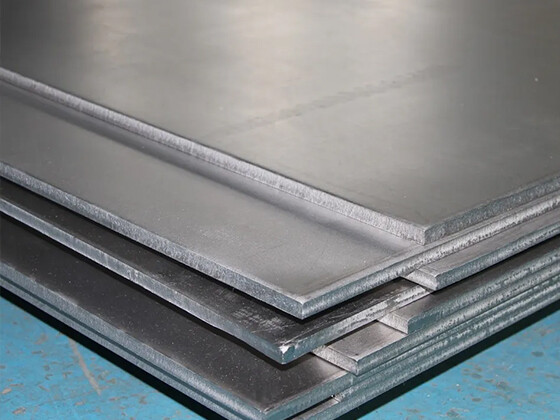
- TA1/TA2/TA3 Medical titanium alloy plateThe advantages of titanium alloys include high strength, high thermal strength, good corrosion resistance, excellent low-temperature performance, high chemical reactivity, low thermal conductivity, and low elastic modulus. The density of titanium alloys is generally around 4.51 grams per cubic centimeter, which is only 60% of that of steel. The density of pure titanium is only close to that of ordinary steel, and some high-strength titanium alloys exceed the strength of many alloy structural steels.
- TA4/TA5 High-strength titanium alloy plateThe working temperature of titanium alloys can reach up to 500℃, while that of aluminum alloys is below 200℃. Titanium alloys operate in humid atmospheres and seawater media, and their corrosion resistance is much better than that of stainless steel; they have particularly strong resistance to pitting corrosion, acid corrosion, and stress corrosion; and they have excellent corrosion resistance to alkalis, chlorides, chlorinated organic substances, nitric acid, and sulfuric acid, etc.
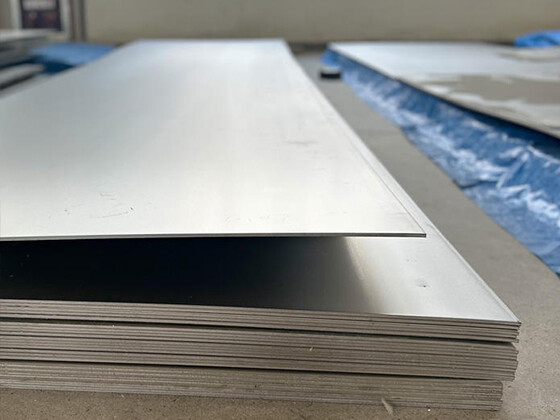
- GR1/GR2/GR3 Titanium alloy sheetTitanium alloy is a high-quality material with excellent physical and chemical properties. It is widely used in various fields to meet people's requirements for material performance. It is widely applied in fields such as aviation, aerospace, shipbuilding, marine engineering, chemical equipment, medical equipment, and sports equipment, mainly due to its excellent corrosion resistance, high strength and lightweight characteristics.
- GR5/GR7/GR12 Supplier price of titanium alloy sheetTitanium alloys are widely used in aerospace, chemical engineering, and medical fields. In the aerospace sector, the high-strength and lightweight components made of titanium alloys can effectively enhance the operational efficiency of aircraft. In the medical field, the artificial joints and medical devices made of titanium alloys can effectively alleviate the pain of patients.
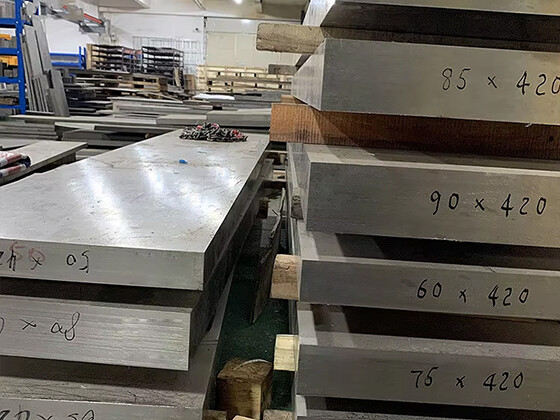
- TC1/TC2 Titanium alloy thick plateTitanium alloy is a high-quality material with excellent physical and chemical properties. It is widely used in various fields to meet people's requirements for material performance. It is widely applied in fields such as aviation, aerospace, shipbuilding, marine engineering, chemical equipment, medical equipment, and sports equipment, mainly due to its excellent corrosion resistance, high strength and lightweight characteristics.
- TC3/TC4 Titanium alloy thick plateTitanium alloys possess excellent processing properties and can be shaped through various techniques such as forging, rolling, stretching, and die forging. Good weldability: Suitable for various welding methods such as TIG (Tungsten Inert Gas welding), EBW (Electron Beam Welding), and PLS (Laser Welding).
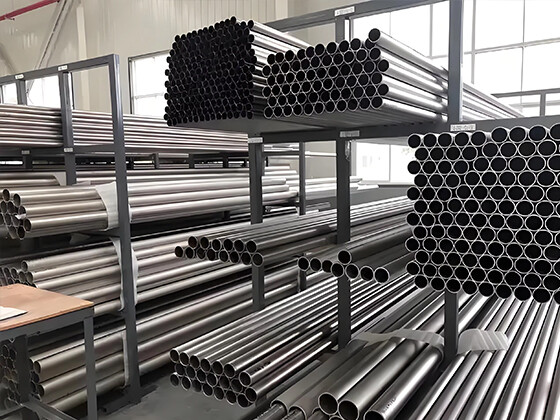
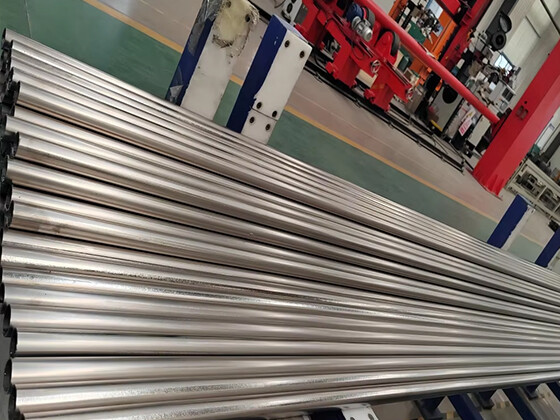
- TA1/TA2/TA3 Medical titanium alloy pipeThe advantages of titanium alloys include high strength, high thermal strength, good corrosion resistance, excellent low-temperature performance, high chemical reactivity, low thermal conductivity, and low elastic modulus. The density of titanium alloys is generally around 4.51 grams per cubic centimeter, which is only 60% of that of steel. The density of pure titanium is only close to that of ordinary steel, and some high-strength titanium alloys exceed the strength of many alloy structural steels.
- TA4/TA5 High-strength titanium alloy pipeThe working temperature of titanium alloys can reach up to 500℃, while that of aluminum alloys is below 200℃. Titanium alloys operate in humid atmospheres and seawater media, and their corrosion resistance is much better than that of stainless steel; they have particularly strong resistance to pitting corrosion, acid corrosion, and stress corrosion; and they have excellent corrosion resistance to alkalis, chlorides, chlorinated organic substances, nitric acid, and sulfuric acid, etc.
- GR1/GR2/GR3 Titanium alloy tubeTitanium alloy is a high-quality material with excellent physical and chemical properties. It is widely used in various fields to meet people's requirements for material performance. It is widely applied in fields such as aviation, aerospace, shipbuilding, marine engineering, chemical equipment, medical equipment, and sports equipment, mainly due to its excellent corrosion resistance, high strength and lightweight characteristics.
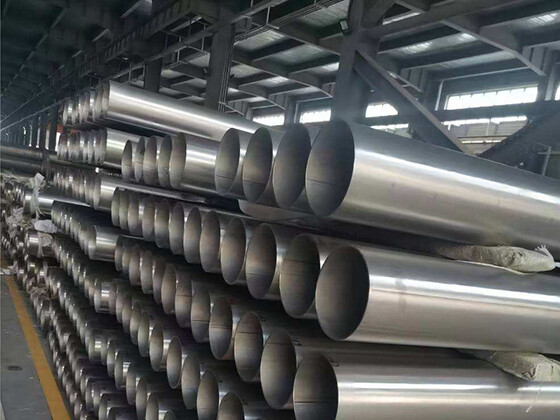
- H-beams/I-beams Stainless steelProduct type: 304/304L/304H, 316/316L/316Ti, 317/317L,321/347/347H, etc
Stainless steel with its good corrosion resistance and good appearance, is widely used in heavy industry, light industry, daily necessities industry and building decoration and other industries have been widely used. - HEA/HEB/IPE Section BeamProduct type: S32205(022Cr23Ni5Mo3N),2205,S2304,2520,201/201,2507,S32750(022Cr25Ni7Mo4N),S32760(022Cr25Ni7Mo4WCuN) etc
Cold-rolled duplex stainless steel has high strength, good resistance to stress corrosion, pitting corrosion, good welding performance, and has a wide range of applications in petrochemical, shipbuilding, papermaking, seawater desalination, nuclear power and other fields. - Low price custom H/I beam steelProduct classification:309/309S,310/310S,etc.
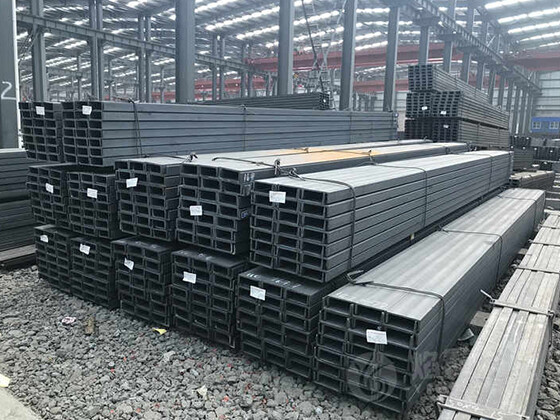
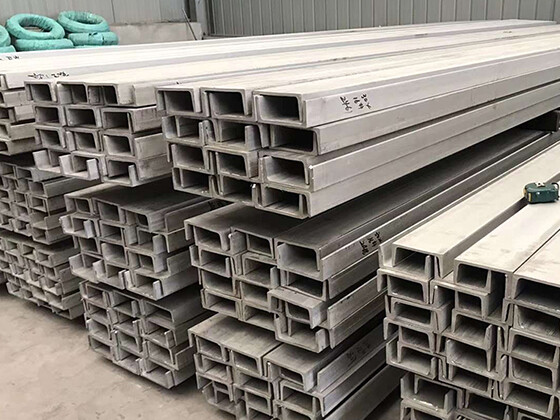
The price of this series of stainless steel is relatively low, and it is generally used for civilian products. Generally in the hot chloride environment should be selected. In kitchen products, household appliances, decoration, automotive exhaust systems, petrochemical and other civil and industrial fields can partially replace 300 series austenitic stainless steel. - Quality stainless steel channelProduct classification:410/410S/410L,420,430,409/409L,439,443,441,etc.
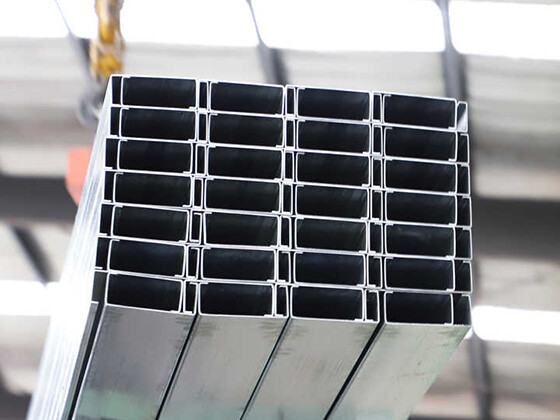
The price of this series of stainless steel is relatively low, and it is generally used for civilian products. Generally in the hot chloride environment should be selected. In kitchen products, household appliances, decoration, automotive exhaust systems, petrochemical and other civil and industrial fields can partially replace 300 series austenitic stainless steel. - Hot rolled U/C channel stainless steelProduct classification:410/410S/410L,420,430,409/409L,439,443,441,etc.
The price of this series of stainless steel is relatively low, and it is generally used for civilian products. Generally in the hot chloride environment should be selected. In kitchen products, household appliances, decoration, automotive exhaust systems, petrochemical and other civil and industrial fields can partially replace 300 series austenitic stainless steel. - Low price stainless steel U/C channelProduct type: S32205(022Cr23Ni5Mo3N),2205,S2304,2520,201/201,2507,S32750(022Cr25Ni7Mo4N),S32760(022Cr25Ni7Mo4WCuN) etc
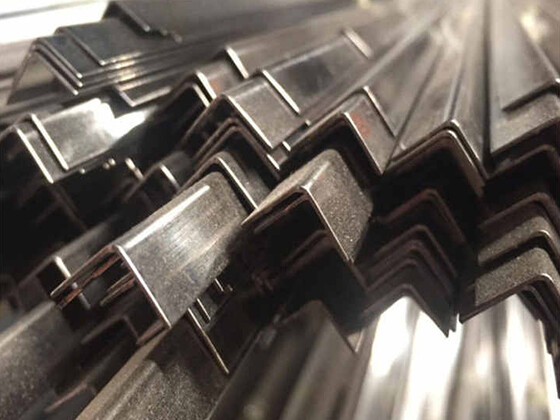
Cold-rolled duplex stainless steel has high strength, good resistance to stress corrosion, pitting corrosion, good welding performance, and has a wide range of applications in petrochemical, shipbuilding, papermaking, seawater desalination, nuclear power and other fields. - High quality Angle stainless steelProduct type: 304/304L/304H, 316/316L/316Ti, 317/317L,321/347/347H, etc
Stainless steel with its good corrosion resistance and good appearance, is widely used in heavy industry, light industry, daily necessities industry and building decoration and other industries have been widely used. - Equilateral Angle stainless steelProduct type: S32205(022Cr23Ni5Mo3N),2205,S2304,2520,201/201,2507,S32750(022Cr25Ni7Mo4N),S32760(022Cr25Ni7Mo4WCuN) etc
Cold-rolled duplex stainless steel has high strength, good resistance to stress corrosion, pitting corrosion, good welding performance, and has a wide range of applications in petrochemical, shipbuilding, papermaking, seawater desalination, nuclear power and other fields. - Unequal Angle stainless steelProduct classification:309/309S,310/310S,etc.
The price of this series of stainless steel is relatively low, and it is generally used for civilian products. Generally in the hot chloride environment should be selected. In kitchen products, household appliances, decoration, automotive exhaust systems, petrochemical and other civil and industrial fields can partially replace 300 series austenitic stainless steel.
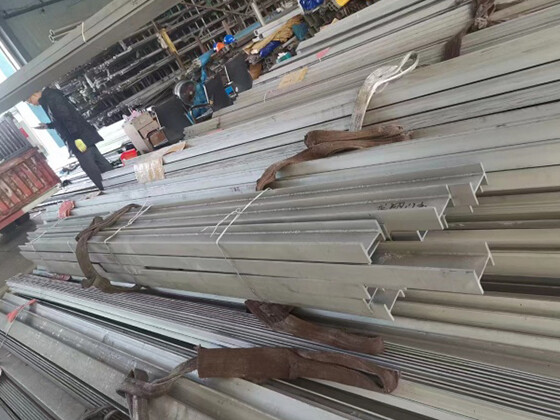
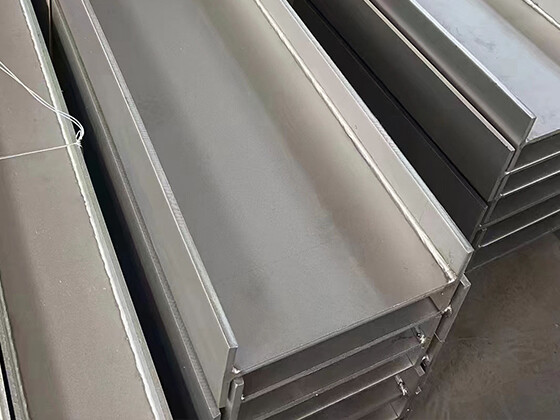
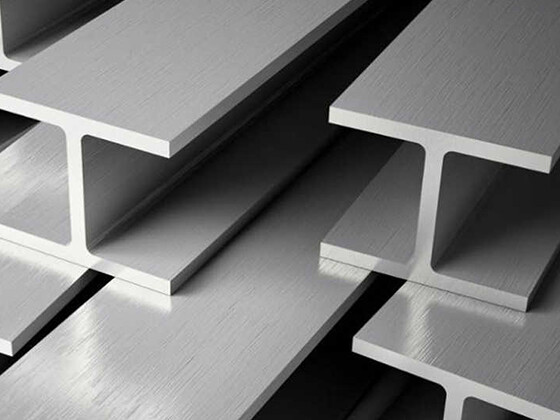
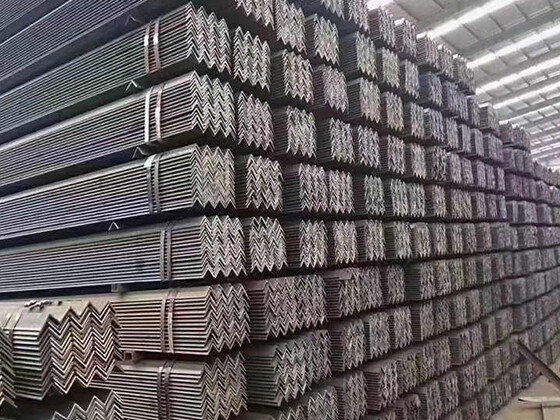
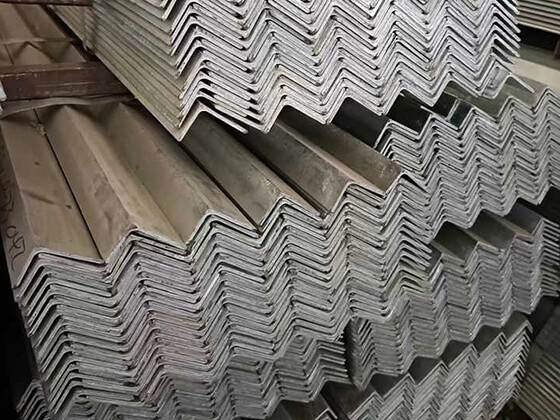
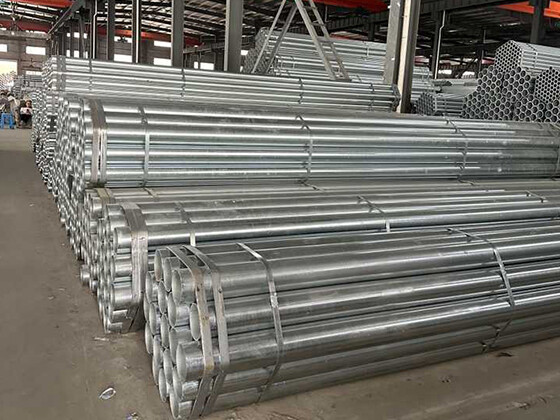
- EN10240:2013 Internal and external galvanized pipeEN 10240:2013 is a steel product standard published by the European Committee for Standardization (CEN), which regulates the requirements of galvanized steel pipes with internal and external layers. The standard covers the coating thickness, quality, appearance and other indicators of hot-dip galvanized steel pipe.
- JIS G3442:2007 Galvanized steel pipeGalvanized steel coil is a steel plate with a layer of zinc plated on the surface. Galvanizing is an economical and effective anti-corrosion method that is often used. About half of the world's zinc production is used in this process. Galvanized steel plate is to prevent corrosion on the surface of the steel plate to extend its service life, coated with a layer of metal zinc on the surface of the steel plate, the zinc-coated steel plate is called galvanized plate.
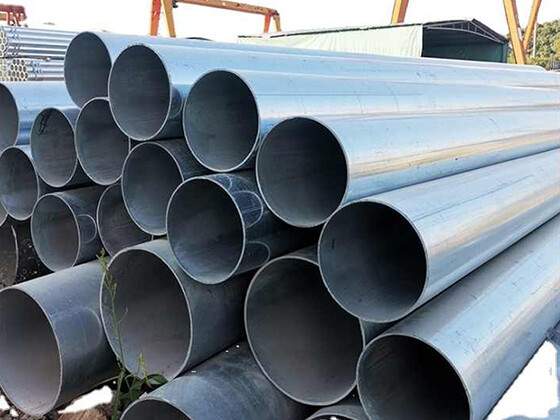
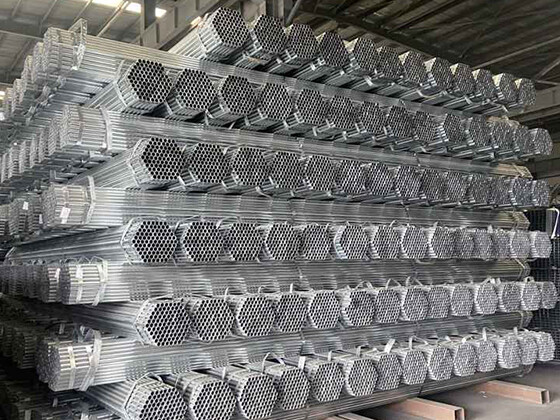
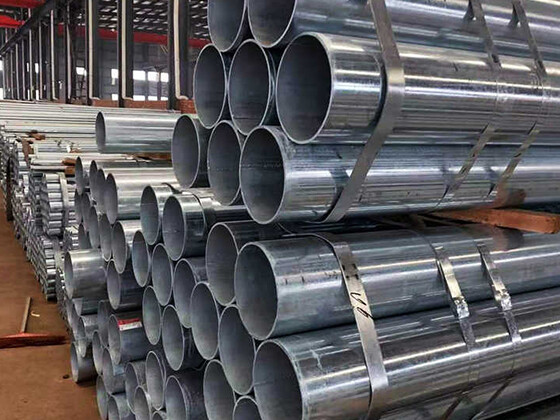
- ASTM A53/A53M Hot Dip Zinc Steel PipeASTM A53/A53M-20 is a standard specification published by the American Society for Materials and Testing (ASTM), covering tubular, steel, black and hot dip galvanizing, welding, and seamless. Among them, the requirements for hot-dip galvanized steel pipes are clearly specified in this standard. When purchasing imported hot-dip galvanized steel pipes, reference to this standard can ensure that product quality meets international standards.
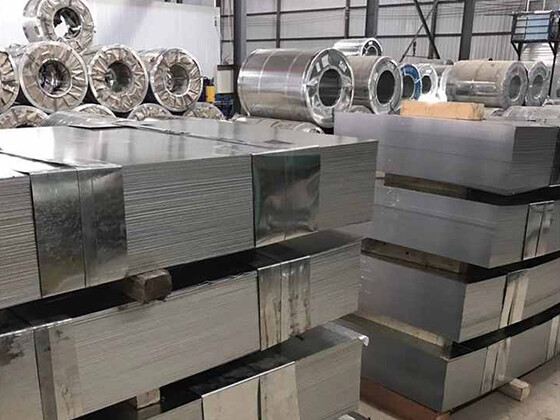
- JIS SPCC/SPCD Cold rolled carbon sheet steelGalvanized steel coil is a steel plate with a layer of zinc plated on the surface. Galvanizing is an economical and effective anti-corrosion method that is often used. About half of the world's zinc production is used in this process. Galvanized steel plate is to prevent corrosion on the surface of the steel plate to extend its service life, coated with a layer of metal zinc on the surface of the steel plate, the zinc-coated steel plate is called galvanized plate.
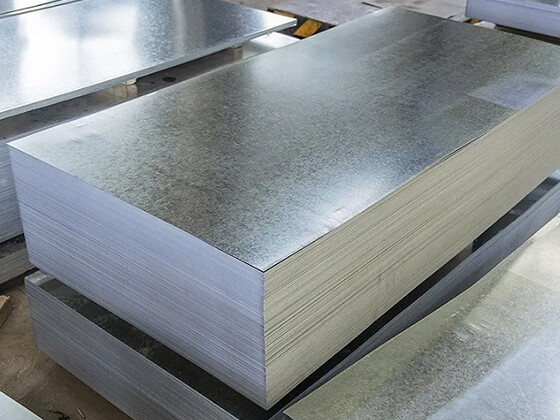
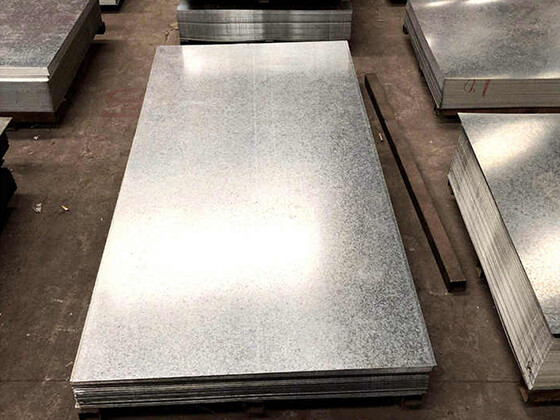
- EN 1.0241 Galvanized SteelGalvanized steel plate is a steel plate with a layer of zinc plated on the surface. Galvanizing is an economical and effective anti-corrosion method that is often used. About half of the world's zinc production is used in this process. Galvanized steel plate is to prevent corrosion on the surface of the steel plate to extend its service life, coated with a layer of metal zinc on the surface of the steel plate, the zinc-coated steel plate is called galvanized plate.
- DIN ST12-15 ST14-t Galvanized steel sheetGalvanized steel plate is a welded steel plate with hot dip plating or electric galvanized layer on the surface, which is generally widely used in construction, home appliances, vehicles and vessels, container manufacturing, electromechanical industry and so on.
The characteristics of galvanized steel plate: galvanized can effectively prevent steel corrosion and extend the service life. Galvanized steel sheet (thickness 0.4~1.2mm), also known as galvanized iron sheet, commonly known as sheet iron. Galvanized steel plate is widely used in construction, vehicles, household appliances, daily necessities and other industries. - Dx51d+Z/Dx53d+Z Large diameter galvanized tubeHot-dip galvanized seamless steel pipe: the amount of hot dip plating is higher, the average thickness of the galvanized layer is more than 65 microns, and its own corrosion resistance is much higher than that of cold galvanized pipe. The galvanized layer of cold galvanized steel pipe is an electric coating, and the zinc layer is independently layered with the steel pipe matrix. The zinc layer is thin, and the zinc layer is simply attached to the steel tube matrix and easy to fall off. Therefore, its corrosion resistance is poor.
- GB-T3091 Ordinary galvanized welded steel pipeThe national standard "Welded Steel pipe for low-pressure fluid transportation" (GB/T 3091-2015), by TC183 (National Steel Standardization Technical Committee) centralized, TC183SC1 (National Steel Standardization Technical Committee Steel pipe Branch) implementation, the competent department for the China Iron and Steel Industry Association.
- Cold plated/electrically galvanized pipeCold galvanized steel pipe, also known as electrogalvanized steel pipe, is a method of laying a layer of metal zinc on the conductive body using the principle of electrolysis. The zinc layer of cold galvanized steel pipe is thin, simply attached to the steel pipe matrix, easy to fall off, so its corrosion resistance is poor.
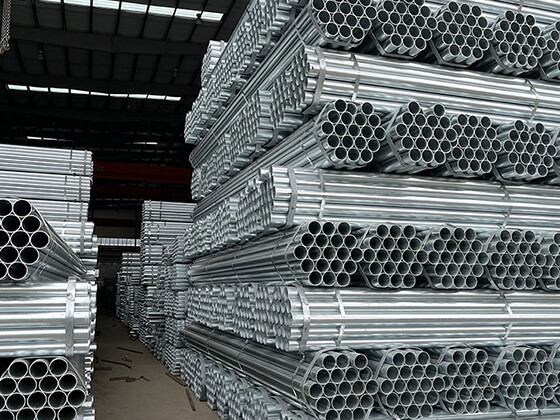
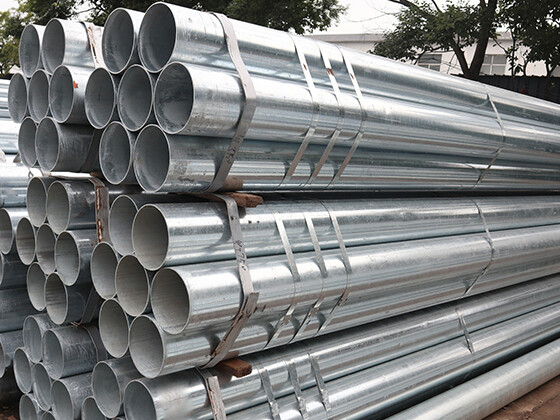
FIRST-CLASS OUALITY IS THE BEST REPUTATION
After years of good reputation in the industry, we have close cooperation with a number of well-known steel companies.
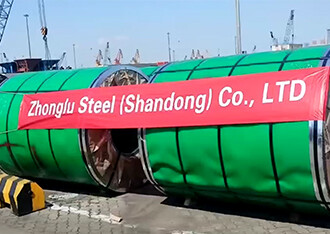
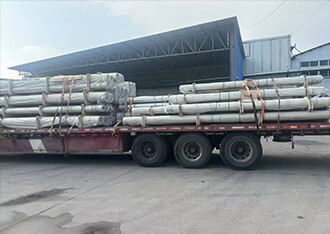
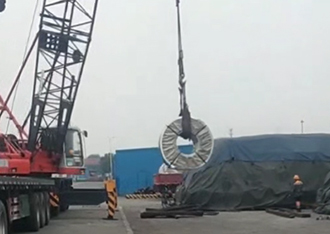
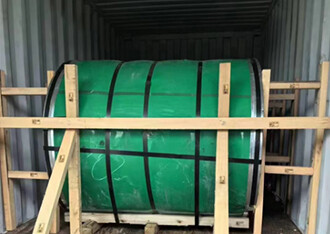
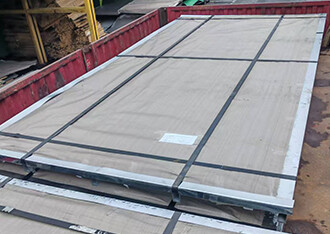
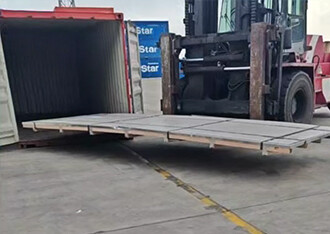
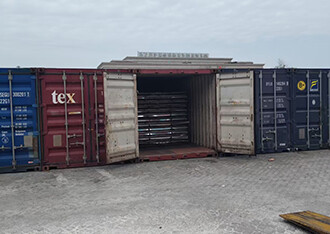
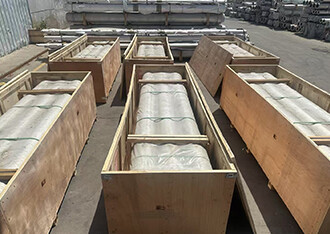
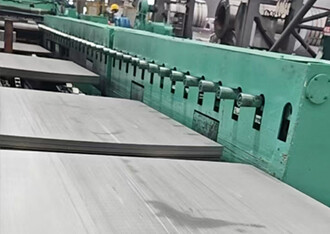
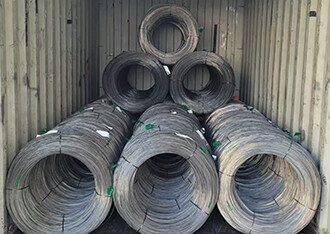
Our factory provides the opportunity for customers to visit the factory for inspection, ensuring that customers can see the goods in their truest form. At the same time, we have also collaborated with over 190 countries around the world, and have received 100% positive feedback from our clients.
NEWS
Welcome your greetings ————
HAVE AN IDEA FOR
OUR COMPANY?
You should be more willing to know our company or consult more models of products, welcome to consult our professional business personnel, we will reply at the fastest speed!
We have more industry updates
Take you to learn more real-time industry information

Search for the product you want.